Ultimate Backpacking Adventures
Embarking on a backpacking adventure is more than just travel; it's about immersing oneself in the unknown and exploring the uncharted territories of nature. Throughout my own travels, I've learnt that choosing the right route is paramount. It not only determines the level of challenge but also enriches the overall experience.
Contents
1The Importance of Choosing the Right Backpacking Route
Selecting the right backpacking adventure route is crucial to ensure an enriching and successful experience. Whether you're trekking through the Himalayas or navigating the serene trails of New Zealand, each path presents its unique challenges and rewards. A poorly matched route could lead to unnecessary challenges or, worse, safety concerns. From personal experience, the joy of backpacking lies not just in the journey but in the meaningful interactions with diverse ecosystems and cultures.
2Key Criteria for Selecting a Backpacking Route
Choosing a backpacking adventure route involves assessing several critical factors:
- Terrain Difficulty: Ensure that the selected route aligns with your physical fitness and experience level. Beginners might consider the scenic routes of the Lake District in the UK before attempting the rugged terrains of the Inca Trail.
- Climate and Weather: Research the climate conditions of your destination. The trails of Patagonia offer breathtaking views, but weather conditions can be harsh and change abruptly.
- Cultural and Historical Significance: Some routes, like the Camino de Santiago, offer rich historical contexts that attract many to walk these sacred paths.
- Safety: Prioritise safety by checking the route's logistics, such as nearby rescue services or communication accessibility. According to UFC-Que Choisir, ensure your backpacking route has mobile coverage or satellite communication for emergencies.
By considering these criteria carefully, backpackers can align their route with personal preferences and capability levels.
3Our Selection of Top Backpacking Routes
Patagonia Nine Trails Backpack
Patagonia
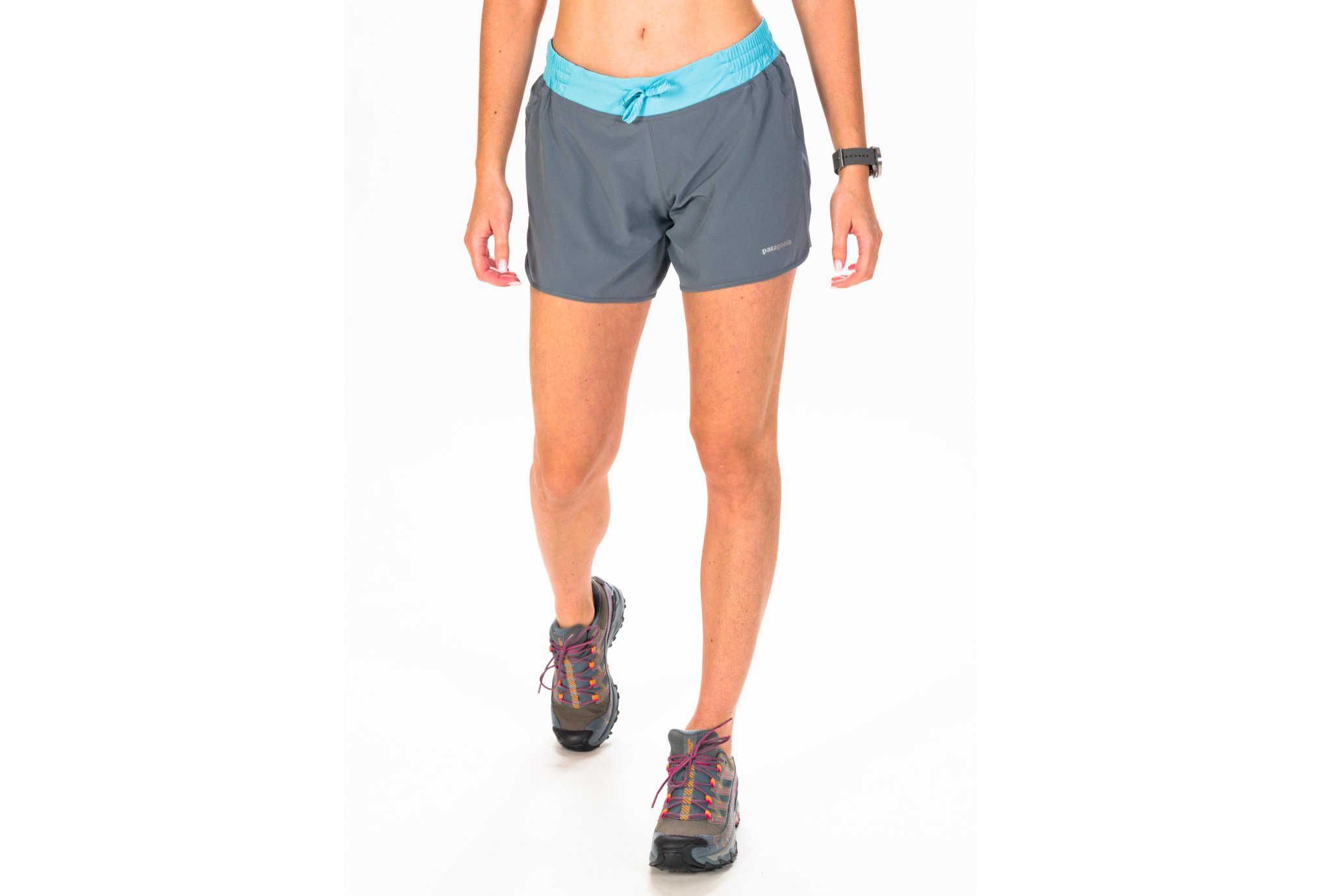
A durable and versatile backpack perfect for hiking and day trips with ample space and comfort-focused design.
Pros
- Lightweight yet sturdy
- Ample space for gear
Cons
- Higher price point
4Comparative Evaluation of Top Backpacking Routes
| Criteria | Te Araroa Trail | Appalachian Trail | Tour du Mont Blanc |
|---|---|---|---|
| Difficulty | Moderate to Hard | Hard | Moderate |
| Length | 3,000 km+ | 3,500 km | 170 km |
| Climate | Varied | Varied | Alpine |
| Accessibility | Remote sections | Well-marked paths | Well-marked paths |
| Verdict | A true test of endurance | Requires considerable planning | Suitable for a delightful alpine experience |
5Guide to Using and Maintaining Backpacking Gear
Keeping your gear in optimal condition is essential for a successful backpacking trip. Here's how:
- Regular Maintenance: Clean your equipment, such as tents and cooking gear, after each use to prevent wear and damage.
- Proper Storage: Store items like sleeping bags in dry conditions to prevent mould or damage.
- Weight Management: Evaluate each item's necessity to reduce backpack weight and increase travelling comfort. According to experts, a lighter pack generally leads to a more enjoyable experience.
- Routine Checks: Regularly inspect gear for wear and tear, replacing items as necessary to ensure safety and reliability.
By following these guidelines, your backpacking gear will serve you reliably and enhance your adventure experience.
6Frequently Asked Questions
Conclusion
Backpacking adventures offer a unique blend of challenges and rewarding experiences. Choosing the right route isn't just about the distance or scenery; it's about aligning your path with personal goals and able skills. From my own expeditions, I always recommend starting with a clear understanding of both your physical capabilities and the environment. For those ready to step forth, the world is your oyster — grab your gear and set your course!